

The paragliding wings are beautiful!
The paragliders today are magnificent, technical and taut and that with few lines (except the monsurfaces !).
Illustration photo by Eran Menashri on Unsplas
They are incredibly efficient and easy
During their development, the designer and the test pilots very precisely adjusted the lines to obtain the desired performance, behaviour and, therefore, the desired certification.
They are precise like Swiss watches
The suspension length tables are accurate to the millimetre. So, it’s disappointing to realise that many pilots fly with a false setting of 2 to 3 cm and this throughout the wing span!
They are sensitive and delicate
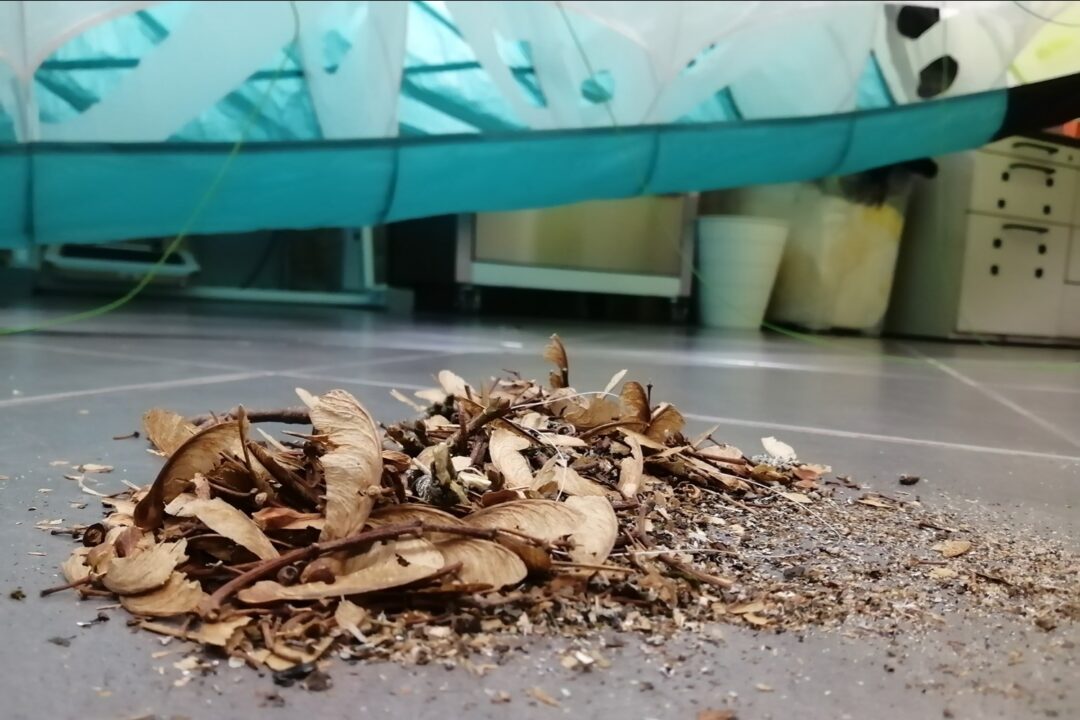
After a few dozen flights already, it’s a bit like finding yourself with a car with slick tyres, worn brake pads and a very poorly tuned carburation.
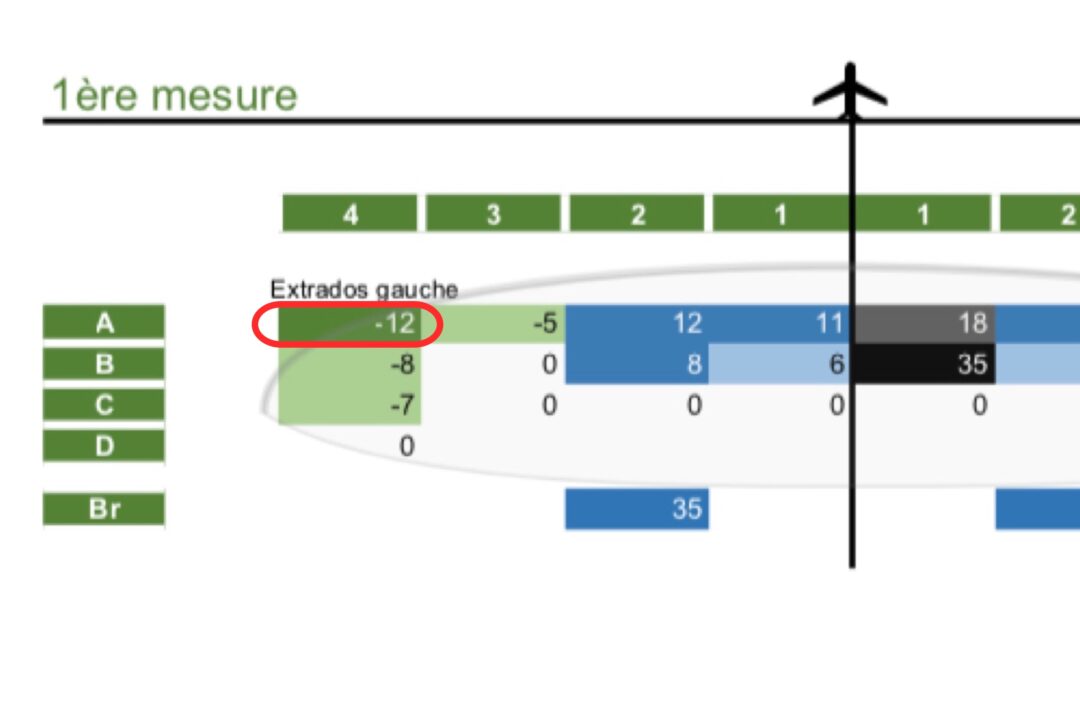
Load disparity of the lines
The “risers/lines/connections of the lines to each other and to the canopy” assemblies behave differently on A and B (which are well loaded) than on C, D, E… which have little or no tension.
Effects
Use slows our paragliders, bringing them closer to stall and can make take-off more difficult. It also alters the handling and all the characteristics that have been defined by the manufacturer, validated by the certification and chosen by the pilot !!!
This decrease in speed is rarely uniform and asymmetry prevents paragliding from flying straight!
An unmaintained paraglider has great risks of no longer meeting the certification criteria at all!!!
Periodicity of checks
Maintenance is an integral part of certifications and its frequency is even indicated on the stickers affixed to any certified paraglider!
This indication of the periodicity is difficult to change, yet…
- The lines have excellent characteristics, but they are thinner, fewer in quantity and much more grouped than those of paragliders 20 years ago.
- The quality of the sail-making is impressive. The fabric of our paragliders is tight and smooth to obtain profiles as beautiful (almost!) as those of gliders.
The phenomenon is amplified: the trimming changes more than before and the effects on the behavior of our beautiful profiles are felt more.
A trimming check should be done during the first year, after a few dozen hours of flight.
Some manufacturers have been saying it for years… but by far not all of them yet!