

Usefulness of safety buckles and what to do if we have to land in the water?
Safety buckles, very widespread a few years ago, have almost disappeared with the arrival of Hike & Fly and the race for lightness that goes with it.
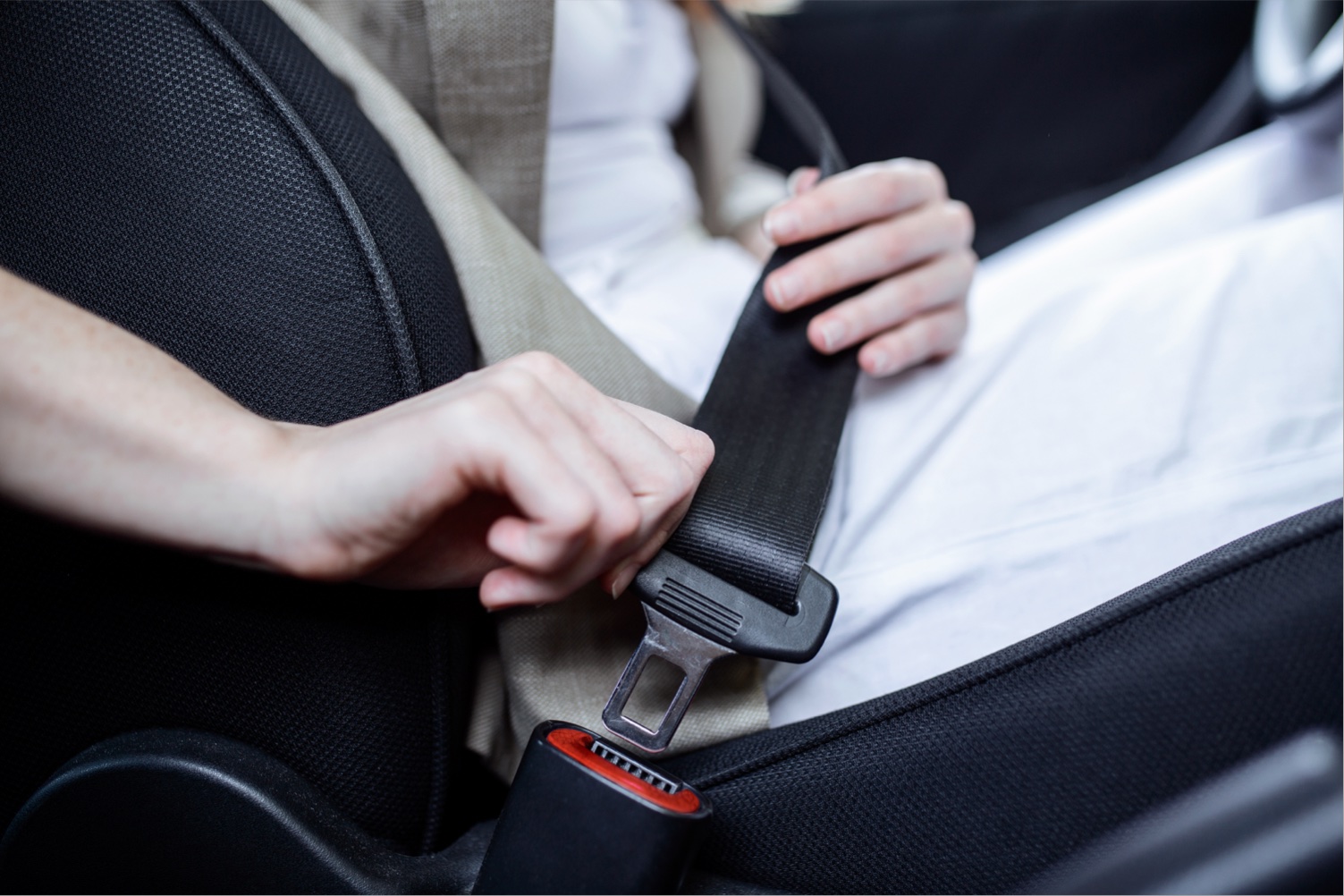
Illustration image by stefamerpik on Freepik
Little difference in weight
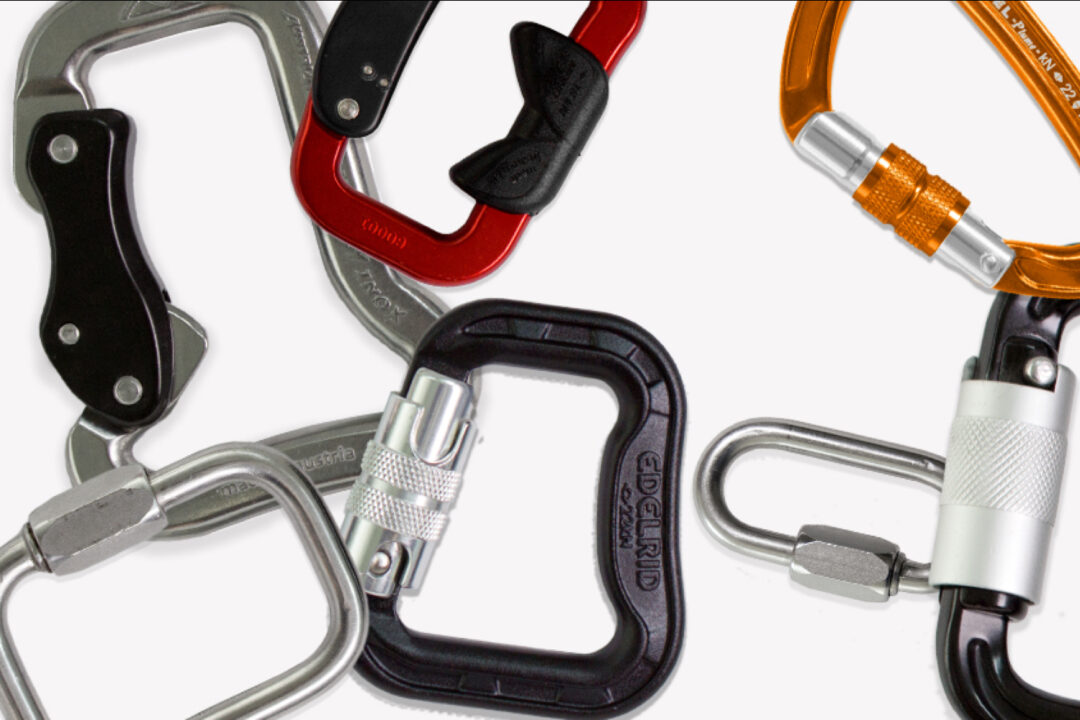
The weight difference between original buckles (frames or bars) and COBRA safety buckles is only 120 g, for example on a SOCK cocoon harness from AIR DESIGN.
Your wallet weighs more!
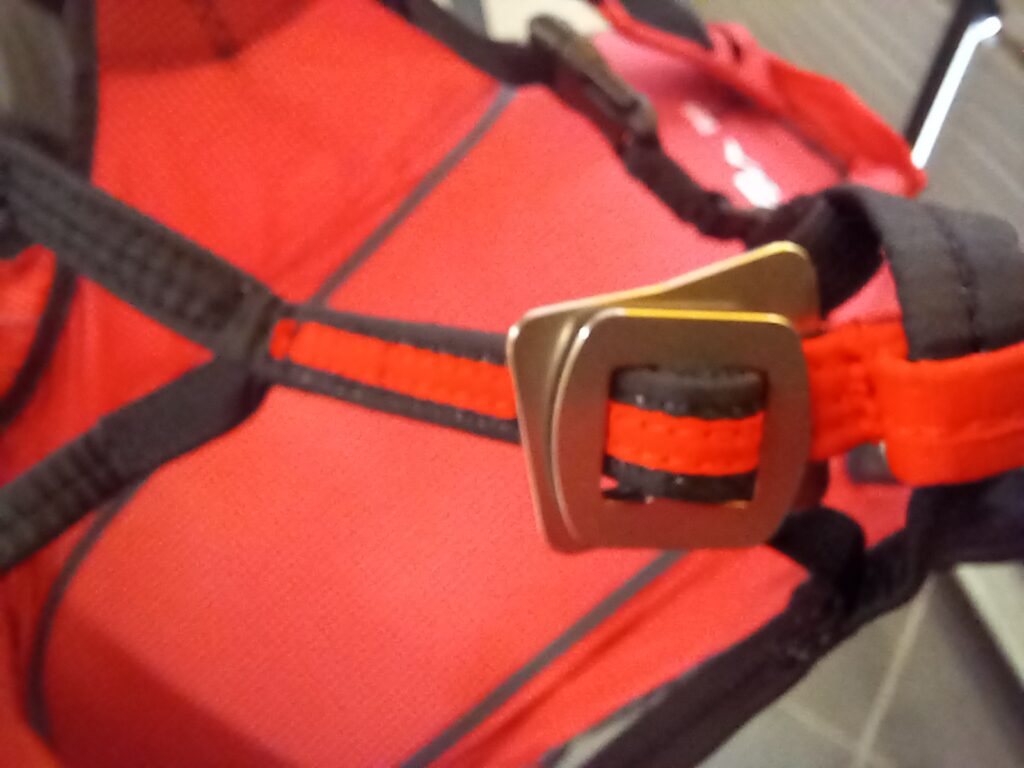
Frame buckles
Simple but difficult to open when you are stressed!
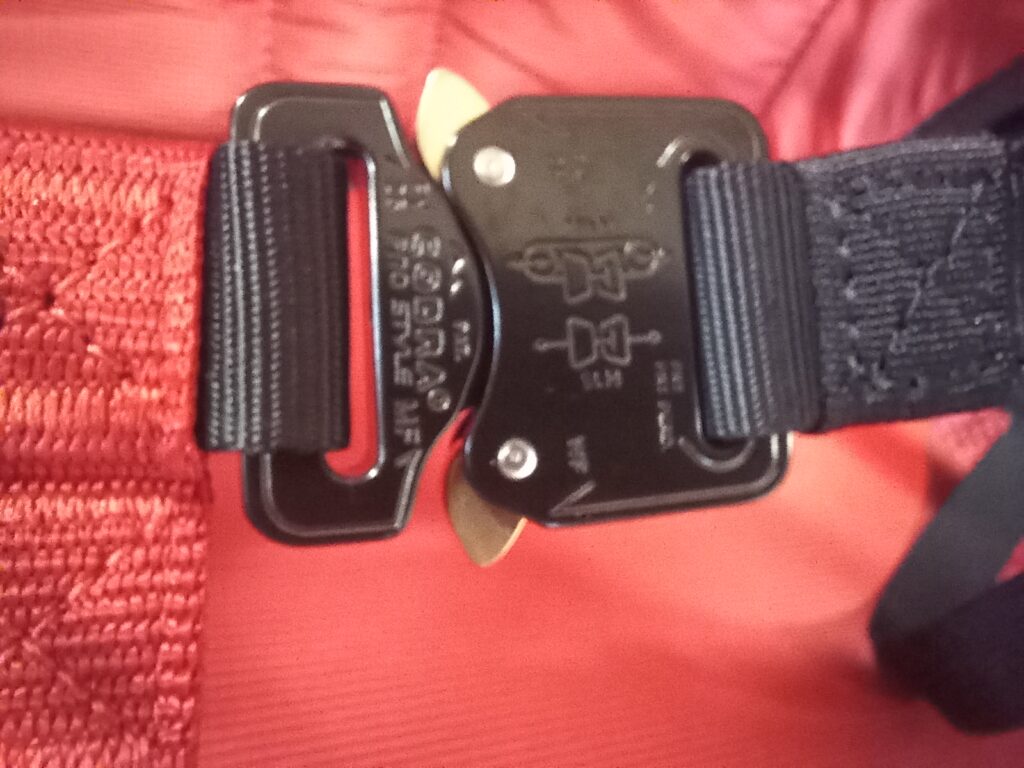
COBRA safety buckles
Very simple and easy to open, even when you are stressed!
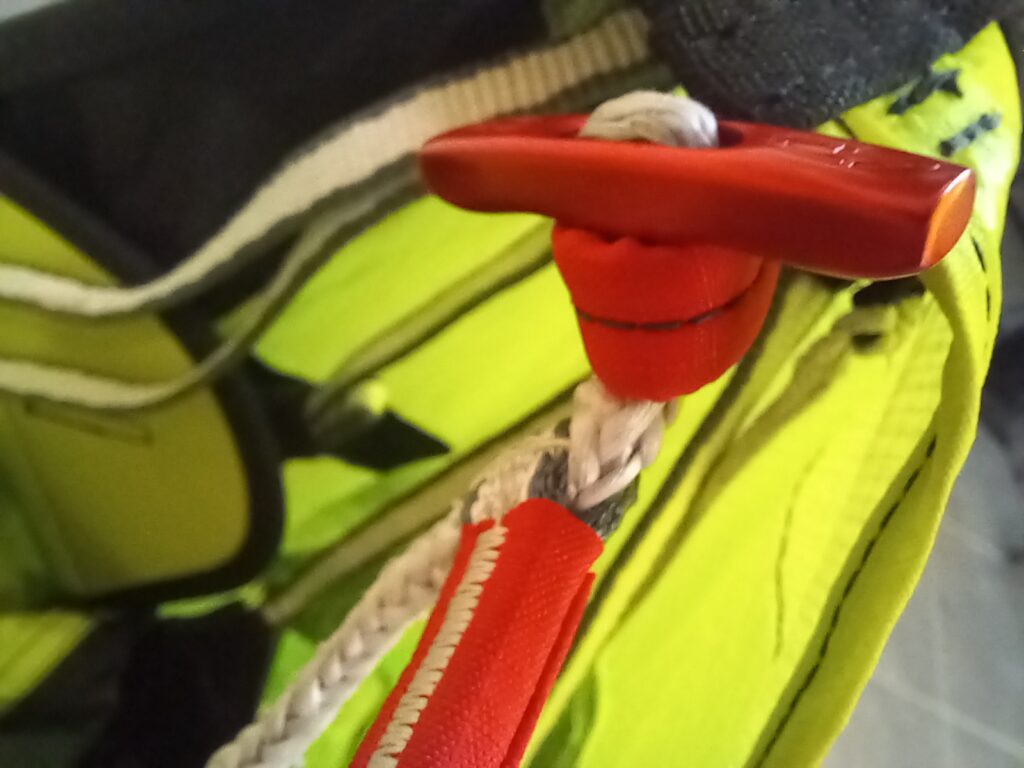
Bar
Simple but difficult to open when you are stressed!
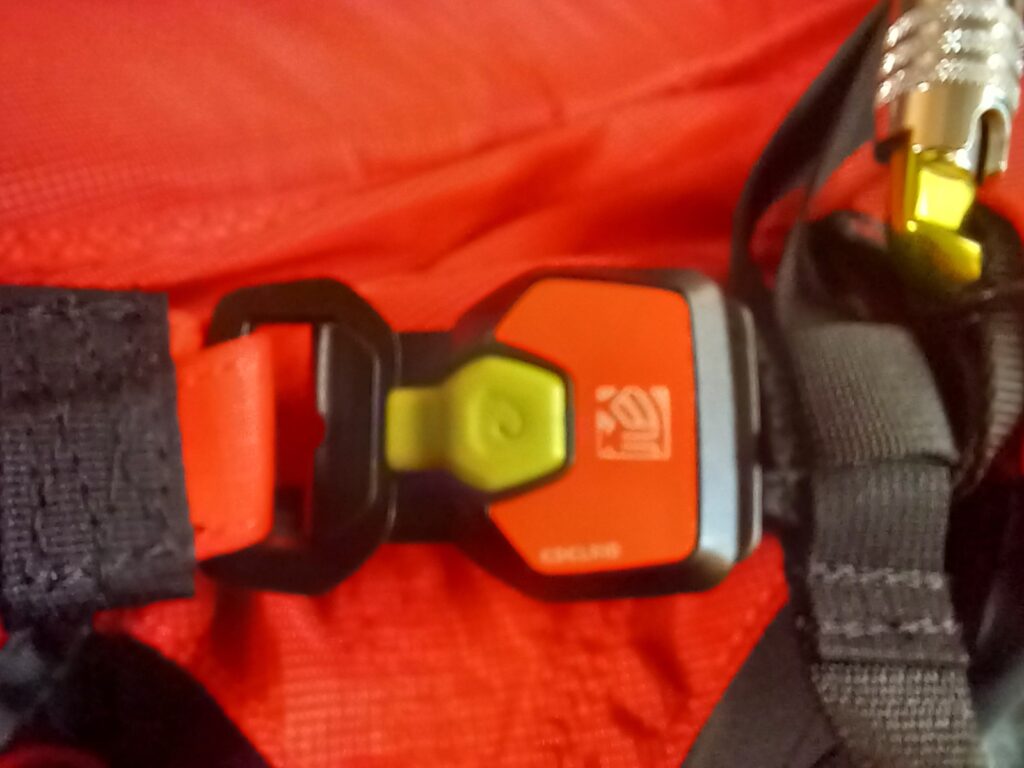
“Difficult” safety buckles
Simple to close, but difficult to open when you are stressed!
Safety buckles are practical and safe.
Easy to close and open (except for some!) like the buckles of a car or airplane seat belt, the very few untimely openings of harness buckles are caused by improper closure (no click!) because the operation is hindered by a foreign element (fabric, strap, sand, ice…).
So, it’s better to have a small click than a big shock!
You have to maintain the safety buckles!!
Like all mechanical devices, it is essential to maintain the safety buckles.
- by cleaning them (with ultrasound, if possible)
- lubricating them with fluid and dirt-free oil
This is what we do during harness checks. And, important point, you have to remove the excess lubricant with compressed air to prevent dust or sand from sticking to it.
Water and humidity are not friends of paragliding.
Humidity is the ultimate enemy for coating our paragliders’ fabrics (see an article > HEREI).
Water is potentially deadly to us if we have to land there!
- Clothes
It’s not easy to swim with your clothes on, but we can’t fly every day in our swimsuits… - Lines
In case of landing in the water, they can wrap around our neck or legs or both!
An edifying anecdote was told to me by my friend Paulo da Silva to whom it happened. Fortunately, it was during a SIV (Flight Incident Simulation) and the organiser’s boat rescued him in time.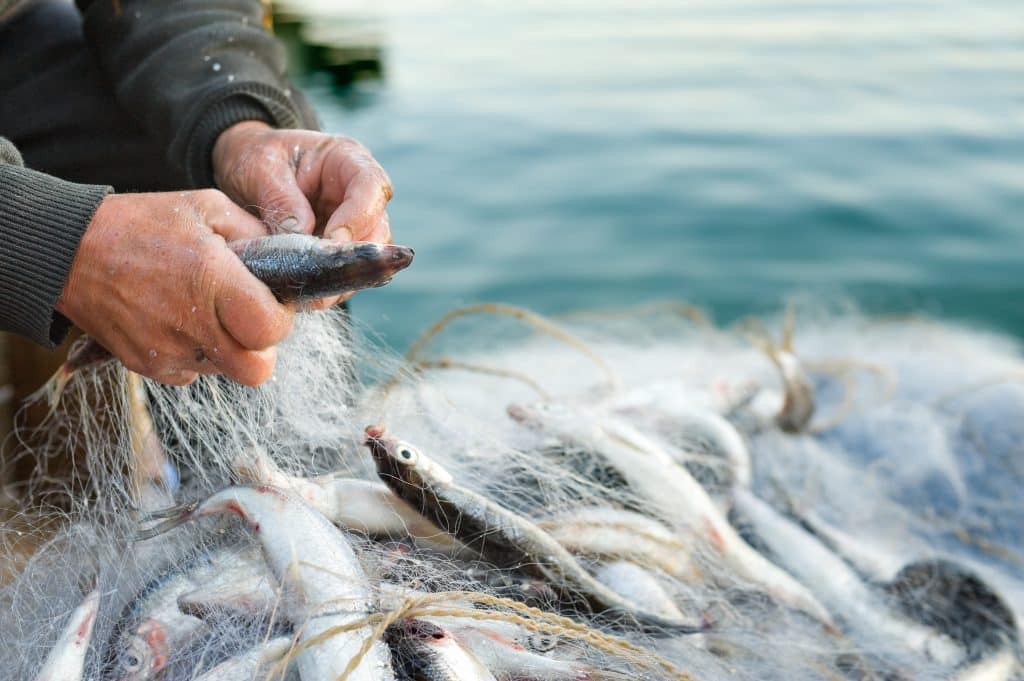
- Back protectors
Made of foam, inflated or even Airbag, they all tend to make your nose dive once into the water. - Waves and current
The water rushes into the canopy and it weighs tons! It is extremely difficult to get it out of the water even if you have your feet on the beach. The waves take you away. Unfortunately, several fatal accidents have occurred in Corsica, Morocco, Monaco, and Portugal…
It can happen to anyone!
I hear people say, “But me, I never fly above water!”
Let me tell you a little story…
ANECDOTE
A young girl was doing wing-over, clumsily it seems, since she was forced to pull her reserve parachute.
She fell between two curtains of trees in a river. Her companion, who was flying with her, hurried to land nearby to go help her.
The current made them both drift for a kilometre!
Fortunately, they got out safe and sound (but not the equipment we had to check).
This incident took place in the green meadows of Gruyère (Switzerland)!
To have a better chance of getting by!
Here is what helps if you are forced to land in water
- Take off your gloves for better perception and finesse of execution to open the loops and get out of the lines! (Thank you, David Chaumet BGD)
- Open all the secondary straps: chest, cocoon closure… and loosen the ventral strap if possible.
- Open the safety buckles before getting into the water if it is possible to remain seated without risking falling.
- Remember to pull yourself out from the top of the harness by spreading the shoulder straps.
- Have an easily accessible hook knife (webbing cutter).
NOTE
Safety buckles greatly help to free up more quickly, but they do not rule out having a hook knife (webbing cutter).
Advice from an expert
It is good to test the manipulations on a gantry:
- Loosen the straps while being harnessed, with gloves.
- Practise opening the loops while sitting.
Note
Jérôme Canaud WINGMASTER
With the pod harnesses, the buckles are often hidden, difficult to access in flight, and the cockpit doesn’t help either…
Other advantages of safety buckles
If you accidentally get caught in a tree, you can detach yourself (with caution!) without having to destroy your harness with a hook knife.
The safety buckles are quickly opened and it’s very pleasant…
- If we have to run away from a dog, a bear, a bull, or a farmer!
- If your hands are cold (see the article dedicated to this subject > HERE), it is difficult to open frame or bar buckles with frozen fingers.
- If you have to detach yourself to put your canopy back in place or help another pilot…
It’s good to know all this before “jumping into the water” to buy a harness with or without safety buckles!