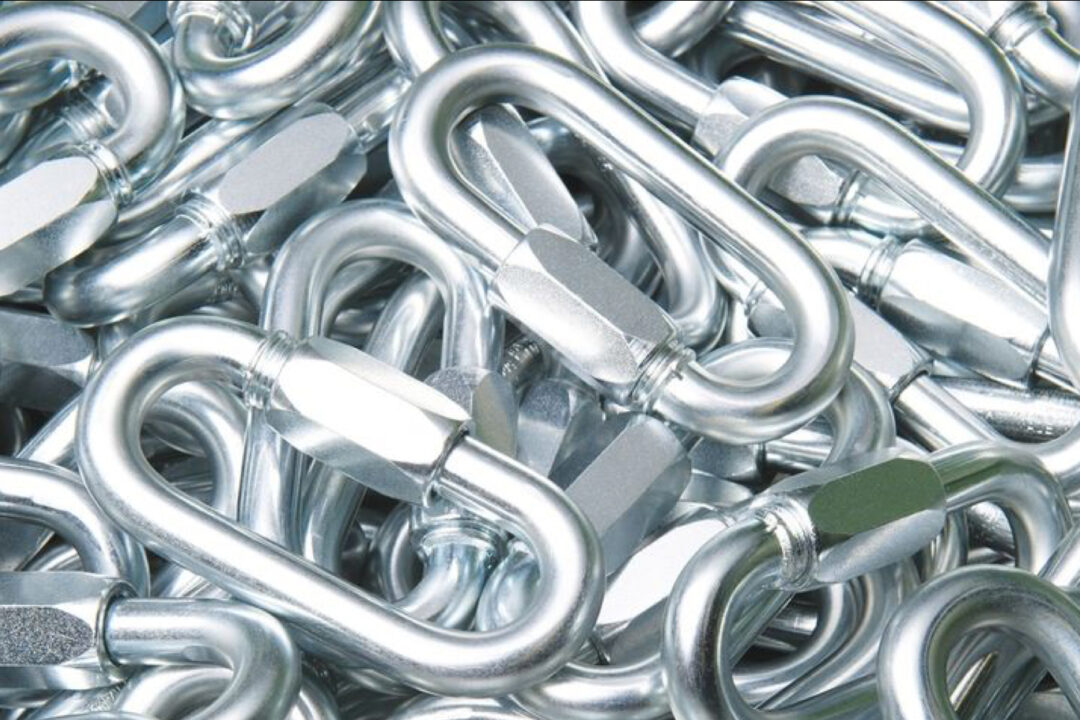


The most common assembly to connect the parachute to the risers and to the harness is done with stainless steel maillons!
One can also use lark’s heads knots.
They must imperatively be well tightened.
Advantage of stainless steel maillons
A link opens easily to separate the parachute from the harness.
If you use a parachute, it’s very handy for retrieving it after landing in a tree!
One can also have a ‘mix’ of lark’s heads knots and maillons.
Size of the stainless steel maillons
SOLO equipment
- shoulders / risers straps
2 x maillons ø 4 or 5 mm - risers straps / parachute
1 x maillon ø 5 or 6 mm
TANDEM equipment
- spacers / risers straps
2 x maillons ø 5 or 6 mm - risers straps / parachute
1 x maillon ø 6 or 7 mm
The shape of the links (oval, square or trapezoidal) is adapted to the number and width of the straps to be connected.
And the Connects / Soft links?
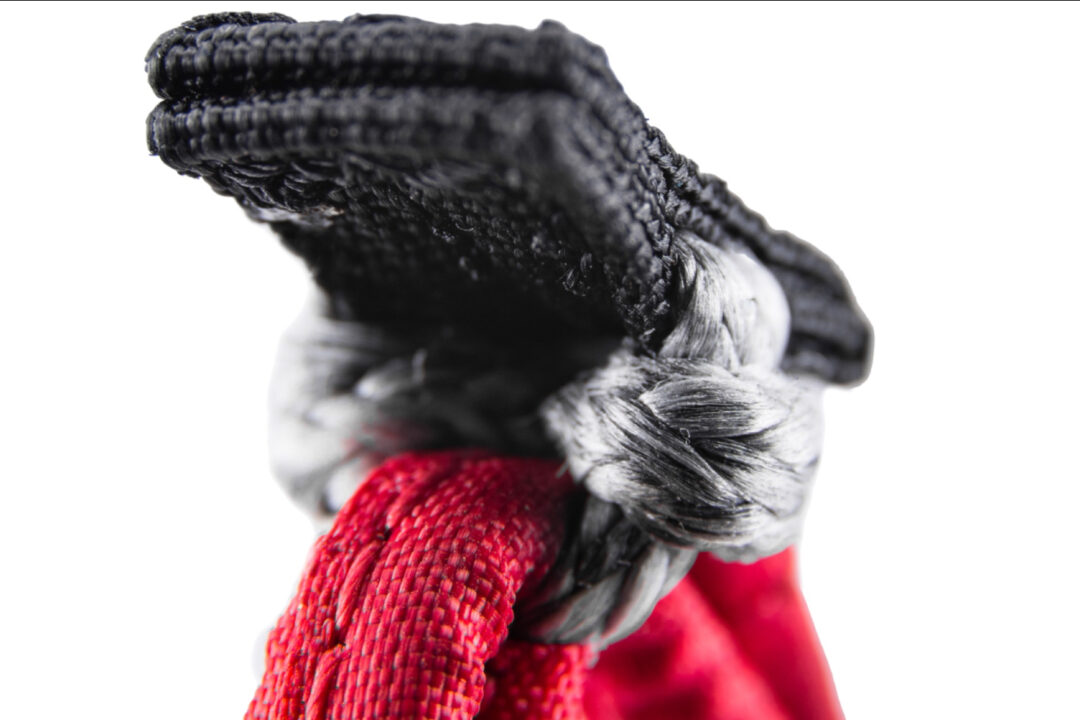
To gain lightness, you can use Connects, especially the SOFT LINKS DYNEEMA from KORTEL for a SOLO reserve parachute or other models of soft links if their use to connect a parachute is clearly indicated by the manufacturer!
Many professionals have proscribed (and still proscribe!) the lark’s head for the link between risers and parachute. They refer to a rather old and particular accident.
Since then, tests have been carried out… and lark’s head knots and textile/textile connections are found everywhere on our paragliding equipment.
Often, Soft-links (connects) replace the maillons to connect the risers to the lines and they even replace the carabiners!
The resistance studies of ADVANCE and EDELRID webbing connections were presented by the website Voler.info in 2017.